Heim Lamp
Architecture Translated into Luminous Form
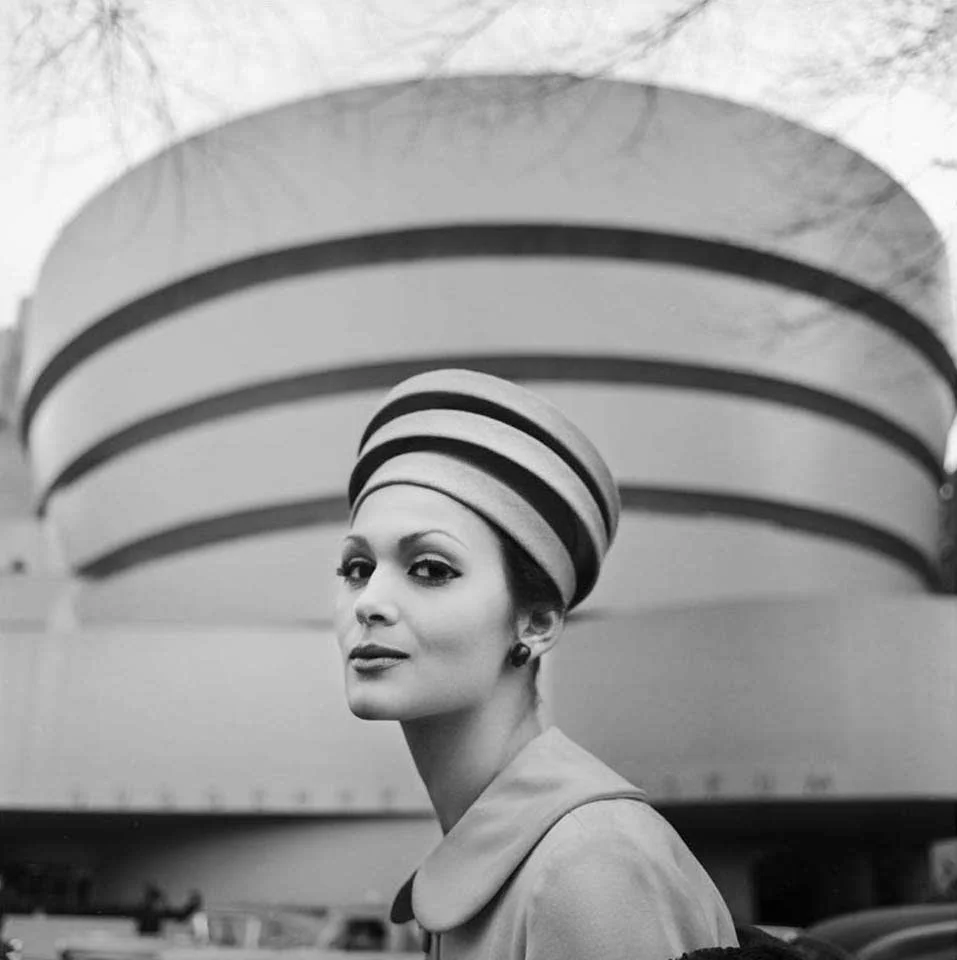
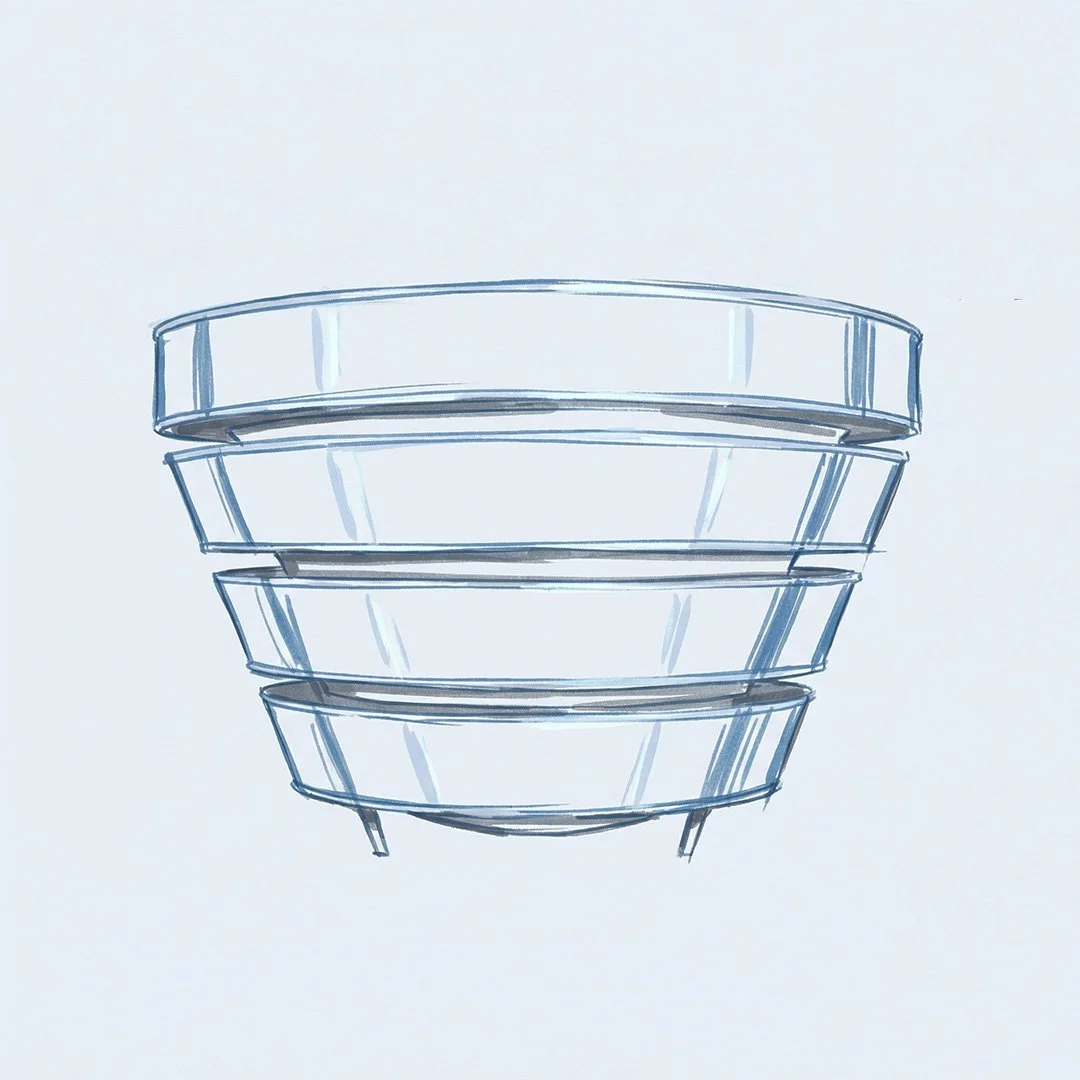
The Heim Lamp explores how architecture influences other design disciplines. Inspired by Frank Lloyd Wright's Guggenheim Museum and Victor Skrebneski's 1960 Guggenheim Hat, this project continues the tradition of translating architectural principles into functional objects. The lamp's spiral geometry captures the essence of the museum's iconic rotunda while maintaining the sculptural quality of fashion-forward design.
Design Approach
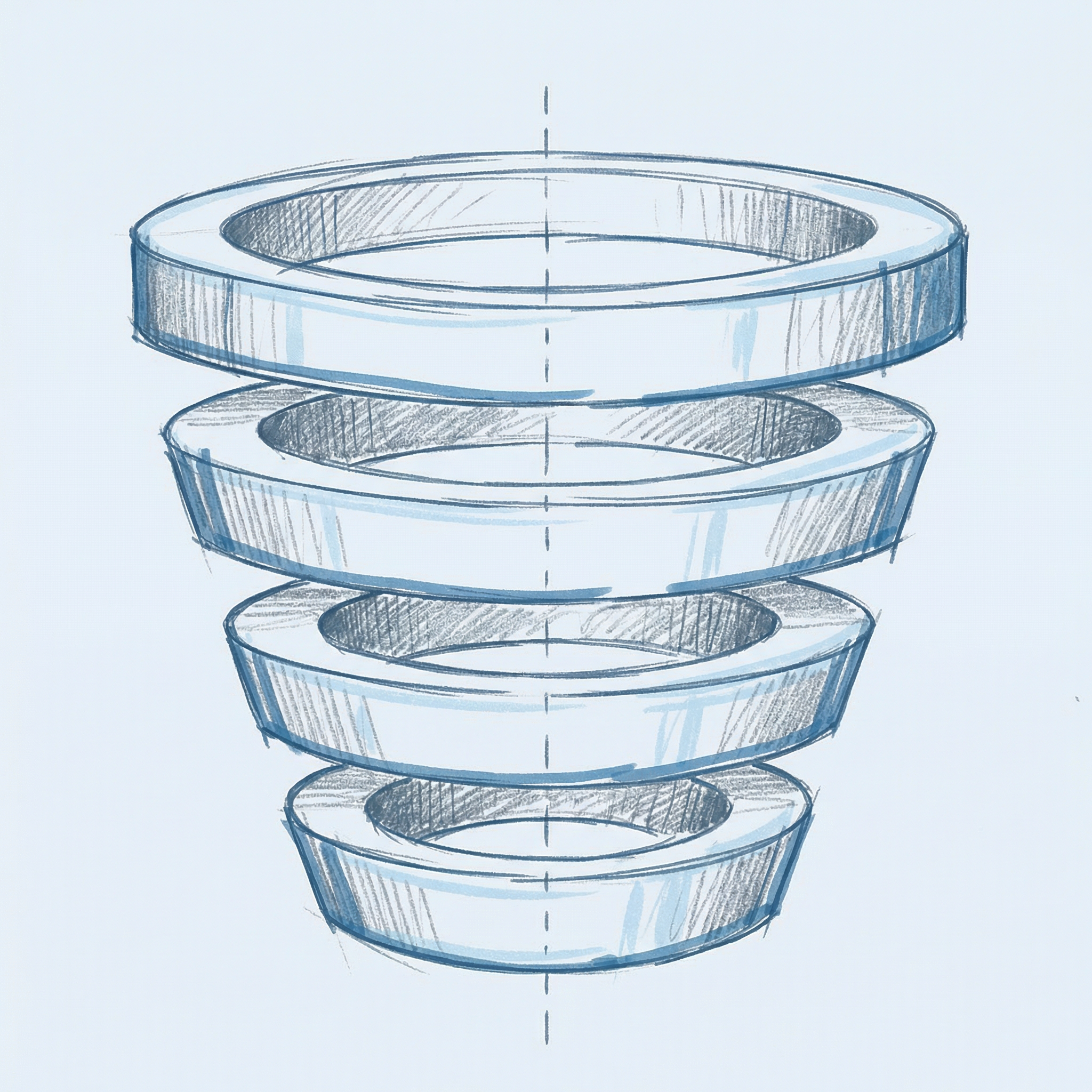
Through careful material selection and form refinement, the Heim Lamp demonstrates how disciplinary boundaries dissolve when design thinking is applied with intention. Each ring represents a layer of architectural influence, creating a luminous object that serves both as functional lighting and artistic statement.



Design Highlights
01 Spiral Geometry
The stacked ring structure echoes the Guggenheim's iconic spiral, creating a visual rhythm that guides the eye upward while distributing light evenly throughout the space.
03 Disciplinary Bridge
The Heim Lamp demonstrates how architecture, fashion, and product design intersect, showing that great design transcends traditional boundaries when guided by clear conceptual thinking.
02 Material Innovation
Brushed metal rings with integrated LED strips create a sophisticated interplay of light and shadow, emphasizing the sculptural form while providing functional illumination.
04 Functional Art
Beyond its aesthetic appeal, the lamp serves as a statement piece that elevates interior spaces, proving that functional objects can be both practical and profoundly artistic.